
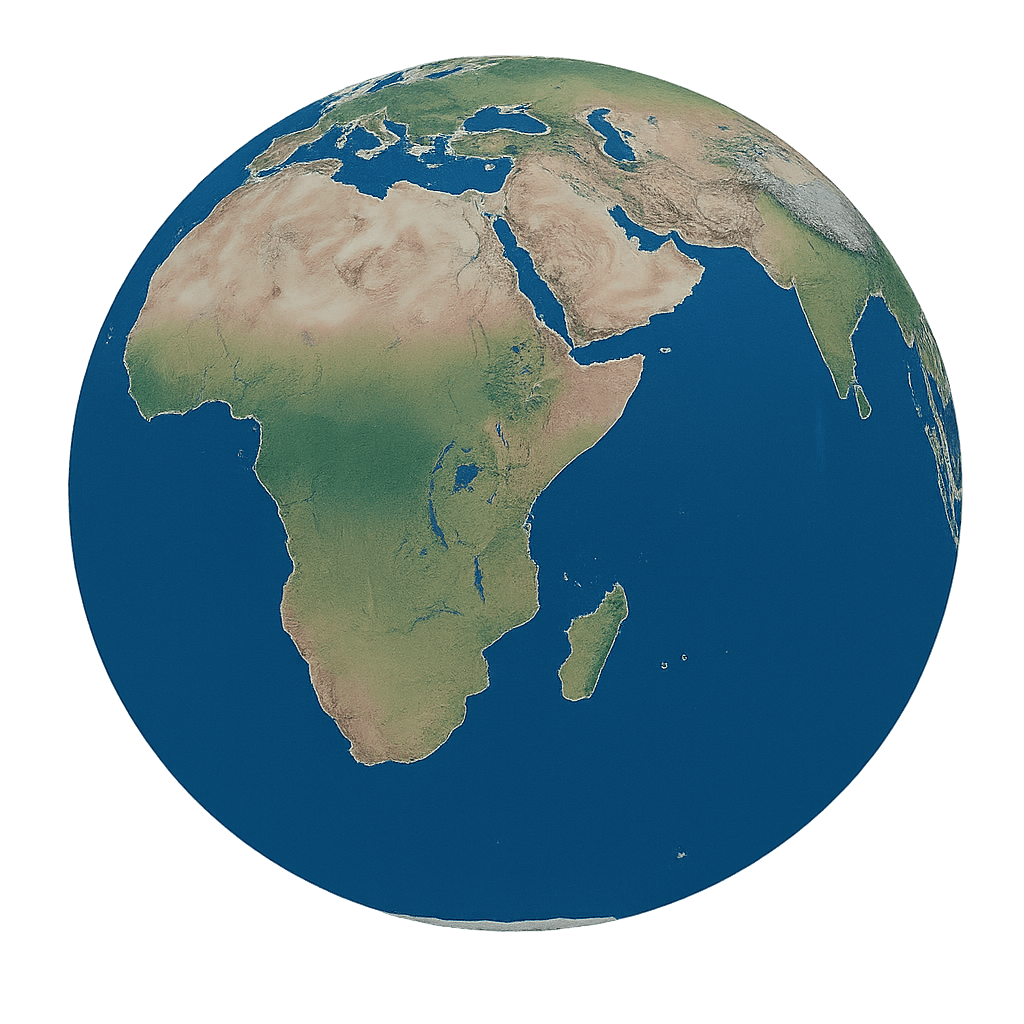
Open database tracks banned books in 119 countries
A new open-data catalogue, banned-books.org, documents 15,887 censored titles across 119 countries, from ancient Rome to 2026. The project also records bans affecting 46 Nobel laureates and 27 Pulitzer winners, showing that literary status does not shield books from censorship. Why it matters: - banned-books.org creates a single international reference for book censorship instead of a patchwork of national lists. - The database can help researchers, librarians, and educators trace where books were banned, challenged, or restricted and why. - The project shows that censorship is often local, but a small set of books gets contested across many countries. What happened: - The open-data catalogue documents 15,887 distinct titles with at least one recorded ban, restriction, or challenge. - The records span 119 countries, including states that no longer exist, such as the Soviet Union, East Germany, Czechoslovakia, and Yugoslavia. - The earliest entry goes back to ancient Rome, when Ovid’s Ars Amatoria was banished under Augustus. - The most recent records date to 2026. - The database includes work by 46 Nobel laureates and 27 Pulitzer winners. The details: - Toni Morrison, John Steinbeck, Boris Pasternak, and Gabriel García Márquez are among the Nobel Prize in Literature winners whose books were later banned, removed, or challenged. - banned-books.org says nearly half of its titles, 7,905, appear in a country other than the United States. - At least 4,800 titles in the database have an original language other than English. - The project differs from the American Library Association and PEN America by covering censorship outside the United States as well as inside it. - Salman Rushdie’s The Satanic Verses appears in records from 22 countries. - Lady Chatterley’s Lover, 1984, and Animal Farm each appear across roughly a dozen countries. - Most banned titles in the data are recorded in just one country. - Every record includes a source citation so readers can trace each claim back to its origin. - The open core of the dataset is available under a CC-BY-4.0 licence. - The dataset includes a permanent citation identifier: DOI 10.5281/zenodo.20511553. - An enriched commercial version is also available. - banned-books.org is an independent, one-person project based in the Netherlands. - The project was built with open-source tools and no funding from publishers, governments, or advocacy organisations. - Ludo Raedts said the Nobel and Pulitzer counts are not meant to show that only “great literature” is at risk, but that status does not protect a book. Between the lines: - The database underscores how censorship often depends on local political, cultural, or legal decisions rather than a single global pattern. - The concentration of most titles in one country suggests book bans can be hard to spot without a system that collects and standardizes records across borders. - The inclusion of prestigious award winners challenges the idea that reputation or literary canon status makes a book safer. - The project’s decision to document rather than judge gives the dataset research value, but leaves interpretation of each ban to users. What’s next: - Researchers and institutions can use the open dataset to compare censorship trends across time, geography, and language. - The catalogue is positioned to expand as new bans, restrictions, and challenges are added. - The commercial version may support broader use while the open core remains available for citation and public access. The bottom line: - banned-books.org turns book censorship into a searchable global record, and its first takeaway is blunt: no author’s status, not even Nobel or Pulitzer recognition, guarantees immunity from the censor.
Disclaimer: This article was produced by AGP Wire with the assistance of artificial intelligence based on original source content and has been refined to improve clarity, structure, and readability. This content is provided on an “as is” basis. While care has been taken in its preparation, it may contain inaccuracies or omissions, and readers should consult the original source and independently verify key information where appropriate. This content is for informational purposes only and does not constitute legal, financial, investment, or other professional advice.
Sign up for:
Bookstore Newswire
The daily local news briefing you can trust. Every day. Subscribe now.
Check Your Email!
We sent a one-time activation link to: .
Confirm it's you by clicking the email link.
If the email is not in your inbox, check spam or try again.
Welcome back!
is already signed up. Check your inbox for updates.