

ASTR Institute Shares Root Cause Approach for Jaw Pain and TMJ Disorders
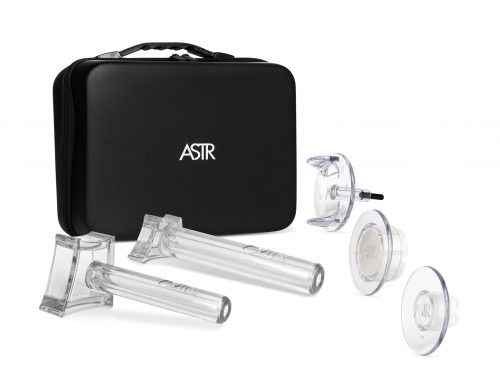
ASTR Tools

ASTR Institute

Dr Joseph Jacobs, DPT
Root cause TMJ treatment for jaw pain, headaches, ear pain, neck tension, and facial pain.
The patient may need a more complete approach that evaluates the jaw, neck, fascia, posture, inflammation, stress, breathing habits, and daily behavior.”
CLERMONT, FL, UNITED STATES, June 16, 2026 /EINPresswire.com/ -- ASTR Institute, founded by Dr. Joseph Jacobs, Doctor of Physical Therapy, Advanced Clinical Nutritionist, inventor, author, functional medicine practitioner, and cancer survivor, is sharing a root cause approach for patients struggling with jaw pain and temporomandibular joint disorders, commonly known as TMJ or TMD.— Dr. Jacobs
The goal of this educational release is to help patients understand why jaw pain may continue even after standard treatments such as mouthguards, medication, dental adjustments, exercises, injections, massage, or general physical therapy. While these treatments may help some patients, ASTR Institute emphasizes that chronic jaw pain may involve more than the jaw joint alone.
Temporomandibular disorders are more common than many patients realize. The National Institute of Dental and Craniofacial Research describes TMDs as the second most commonly occurring musculoskeletal condition resulting in pain and disability, after chronic low back pain. The same source estimates that TMD affects about 5 percent of adults in the United States, although prevalence varies depending on how the condition is diagnosed, measured, and studied.
Global research suggests that jaw related disorders may affect a much larger portion of the population when broader definitions are used. Recent reviews and population studies have reported that approximately one third of people may experience some form of temporomandibular disorder during their lifetime or within studied populations. These numbers show why jaw pain, facial pain, and TMJ related symptoms should not be dismissed as minor problems.
“Many patients with jaw pain have been treated as if the jaw is an isolated joint,” said Dr. Joseph Jacobs, DPT, ACN, founder of ASTR Institute. “But the jaw does not function by itself. It is connected to the neck, head, shoulders, posture, breathing patterns, stress response, nervous system, and soft tissue system. When those factors are ignored, patients may continue to experience pain, clicking, tightness, headaches, ear pressure, or facial pain even after trying standard care.”
- Why Jaw Pain Is Often More Complex Than It Appears
The temporomandibular joint is one of the most frequently used joints in the body. It is involved in chewing, speaking, swallowing, yawning, facial expression, and breathing mechanics. Because the jaw is used so often, even small restrictions, movement problems, inflammatory patterns, or muscle imbalances may become very noticeable in daily life.
Patients with TMJ disorders may experience jaw pain, jaw clicking, popping, locking, facial pain, headaches, neck stiffness, ear discomfort, tooth sensitivity without a clear dental cause, difficulty chewing, jaw fatigue, pain around the temples, pain near the ear, and difficulty opening the mouth fully.
Johns Hopkins Medicine describes temporomandibular disorders as conditions involving the jaw muscles, temporomandibular joints, and the nerves associated with chronic facial pain. This broader definition matters because many patients think TMJ pain is only a joint problem. In reality, the muscles, fascia, nerves, posture, breathing, stress patterns, and neck mechanics may all influence how the jaw feels and functions.
ASTR Institute’s message is centered on helping patients recognize that jaw pain may not be solved by one device, one exercise, or one adjustment if the underlying contributors are not identified. A mouthguard may protect the teeth from grinding. Medication may reduce symptoms temporarily. Heat may relax tight muscles. Exercises may improve mobility. However, none of these approaches automatically address all possible contributors to chronic jaw pain.
“These treatments may be helpful for some people,” Dr. Jacobs said. “But if jaw pain keeps returning, we have to ask a deeper question. What is driving the pain? Is it coming from soft tissue restriction, neck dysfunction, posture, clenching, inflammation, stress physiology, scar tissue, or a combination of factors?”
- A Root Cause View of TMJ and Jaw Pain
ASTR Institute uses a root cause framework that looks beyond symptom location. Instead of only asking where the pain is felt, the ASTR model asks why the pain developed, which tissues may be restricted, which habits may be reinforcing the problem, and which body systems may be involved.
In the ASTR model, chronic jaw pain may involve several overlapping contributors. Soft tissue restrictions may develop in the jaw, face, neck, throat, shoulders, and upper back. These restrictions may limit normal movement and create abnormal tension across the temporomandibular joint.
Fascial restrictions may create pulling patterns that affect jaw mechanics. Fascia is connective tissue that surrounds muscles, nerves, blood vessels, and organs. When fascia becomes restricted, it may contribute to pain, stiffness, altered motion, and compensatory movement patterns.
Trigger points may refer pain into the jaw, teeth, ear, temple, face, head, or neck. Patients may feel jaw pain even when the primary source of irritation is coming from muscle or soft tissue structures around the head and neck.
Scar tissue and adhesions may develop after trauma, dental procedures, surgery, prolonged inflammation, poor posture, or repetitive strain. These restrictions may reduce normal tissue mobility and contribute to persistent pain.
Inflammation may make the jaw and surrounding tissues more sensitive. Nutrition, sleep, stress, toxin exposure, and chronic health conditions may all influence inflammatory load.
Postural stress may overload the jaw and neck. Forward head posture, prolonged computer use, phone use, poor sleeping positions, mouth breathing, and clenching habits may increase tension across the jaw system.
Stress and nervous system dysregulation may increase clenching, grinding, muscle tension, and pain sensitivity. Many patients notice that TMJ symptoms worsen during periods of emotional stress, poor sleep, grief, anxiety, high mental demand, or prolonged tension.
“TMJ pain is often multifactorial,” Dr. Jacobs said. “That means the patient may not have one isolated problem. They may have jaw tension, neck restrictions, fascial tightness, inflammation, stress patterns, and postural strain all feeding into each other. A root cause approach looks at the full picture.”
- Research Supports a Broader View of TMD
Modern research increasingly supports the idea that temporomandibular disorders are not always limited to the jaw joint alone.
The National Institute of Dental and Craniofacial Research identifies TMD as a major musculoskeletal pain condition. Mayo Clinic describes TMJ disorders as conditions that may cause pain in the jaw joint and the muscles controlling jaw movement. Johns Hopkins Medicine describes TMD as involving the jaw muscles, temporomandibular joints, and nerves associated with chronic facial pain.
Research also supports a relationship between TMD and headaches. A systematic review and meta analysis published in the Journal of the American Dental Association found an association between primary headaches and temporomandibular disorders. This supports what many patients report clinically. Jaw pain, temple pain, headaches, facial pain, neck tension, and ear related symptoms often overlap.
The neck is also important. A systematic review and meta analysis published in the Journal of Clinical Medicine evaluated craniocervical and cervical spine features in patients with temporomandibular disorders. The study examined relationships between jaw disability, neck disability, craniocervical position, cervical alignment, and sensorimotor impairments. This supports the clinical importance of evaluating the neck and head posture when jaw pain is persistent.
Psychosocial factors are also part of chronic TMD. Research on temporomandibular disorders and mental health supports a biopsychosocial model, which recognizes that physical symptoms, pain sensitivity, stress response, mood, sleep, and behavior patterns may influence one another.
“Pain is real,” Dr. Jacobs said. “When we talk about stress, behavior, or nervous system patterns, we are not saying the pain is imaginary. We are saying the body is connected. The jaw may be influenced by tissue restrictions, inflammation, posture, habits, and stress physiology at the same time.”
- Why TMJ Pain Often Connects With Neck Pain and Headaches
One of the most common patterns ASTR Institute sees in patients with jaw pain is the overlap between TMJ symptoms, neck tension, headaches, and facial pain. The jaw and neck work together during daily movement. When the head moves forward, the muscles of the neck, jaw, and throat may compensate. When the neck is restricted, the jaw may be forced to move with altered mechanics. When jaw muscles tighten, the neck and head may also become affected.
This is why patients with TMJ pain often report symptoms such as temple headaches, pressure around the eyes, ear fullness, clicking in the jaw, tightness under the jaw, neck stiffness, pain at the base of the skull, or pain that travels into the shoulder.
Some patients may also experience symptoms that feel like an ear infection even when medical evaluation does not show infection. Others may feel tooth pain even when dental imaging does not reveal a clear dental problem. In these cases, referred pain from muscles, fascia, nerves, or joint irritation may be involved.
- Why Mouthguards May Not Fully Resolve TMJ Pain
Mouthguards are commonly recommended for patients who clench or grind their teeth. They may protect the teeth and reduce mechanical stress during sleep. For some patients, this can be helpful.
However, ASTR Institute emphasizes that mouthguards do not always address the full pattern behind jaw pain. A mouthguard may reduce tooth wear, but it may not release restricted fascia. It may protect the teeth, but it may not correct forward head posture. It may reduce nighttime pressure, but it may not resolve trigger points, scar tissue, neck tension, inflammatory load, or stress related clenching patterns.
This is why some patients say, “I have a mouthguard, but my jaw still hurts.” Others report that the mouthguard helped at first, but symptoms returned. Some patients develop more neck tension, facial tightness, or headaches even while wearing a guard.
ASTR Institute’s position is not that mouthguards are bad. Rather, the institute encourages patients to understand the limits of any treatment that addresses only one part of a complex system.
“When the jaw is part of a larger pattern, one device may not be enough,” Dr. Jacobs said. “The patient may need a more complete approach that evaluates the jaw, neck, fascia, posture, inflammation, stress, breathing habits, and daily behavior.”
- ASTR Institute’s Four Day Intensive Program for Complex Jaw Pain
ASTR Institute offers a Four Day Intensive Program for complex chronic pain cases, including patients with jaw pain and TMJ related symptoms who have not improved with standard approaches. The program is designed for patients seeking a more concentrated, root cause treatment experience.
During the intensive, patients receive focused care over four consecutive days. The goal is to identify and address the underlying contributors to pain, including soft tissue restrictions, fascial limitations, scar tissue, trigger points, inflammation, posture, ergonomics, behavior patterns, and other relevant factors. Patients may also receive education on self care strategies to help support progress after treatment.
For patients who travel to Florida for care, the intensive format may be especially helpful because it allows for multiple treatment sessions in a short period rather than spreading visits over several weeks or months. ASTR Institute states that many patients who seek this type of care have already tried other treatments, including standard physical therapy, chiropractic care, massage, injections, medication, dental appliances, or surgery.
ASTR Institute encourages potential patients to request a case review so the team can better understand the history, symptoms, previous treatment, and goals before recommending the next step.
- Home Treatment and Provider Training
In addition to in clinic treatment, ASTR Institute offers home treatment tools and step by step online programs designed to help patients address pain related soft tissue restrictions at home. These programs may be especially useful for patients who are not able to travel or who need guided support after in clinic treatment.
ASTR Institute’s home treatment model includes patented instruments developed by Dr. Jacobs. These tools are designed to help patients work on soft tissue restrictions, scar tissue, fascial tightness, and myofascial pain patterns using guided protocols. The goal is to provide structured instruction rather than leaving patients to guess which exercises or tools to use.
ASTR Institute also offers training for healthcare providers who want to learn the ASTR treatment model. Provider education is an important part of the institute’s mission because many patients with jaw pain and chronic pain are looking for practitioners who understand the relationship between soft tissue restrictions, fascia, posture, inflammation, and nervous system factors.
ASTR Provider Training includes education on the ASTR model, patented tools, scar tissue and fascial restriction release, myofascial pain, treatment protocols, and root cause thinking. The institute also offers focused education related to neck, TMD, and headache patterns, which are commonly connected in complex jaw pain cases.
“The future of chronic pain care needs to be more integrated,” Dr. Jacobs said. “Patients with TMJ pain often need providers who understand soft tissue, fascia, posture, inflammation, stress, and behavior. When care is too narrow, important contributors may be missed.”
- About ASTR Institute
ASTR Institute is a chronic pain and natural healing institute founded by Dr. Joseph Jacobs, DPT, ACN. Dr. Jacobs is a Doctor of Physical Therapy, Advanced Clinical Nutritionist, inventor of patented medical devices, author, functional medicine practitioner, educator, and cancer survivor. After experiencing chronic migraines, fatigue, and pain, Dr. Jacobs developed the ASTR treatment model to address pain at its source using a biopsychosocial approach.
ASTR stands for Advanced Soft Tissue Release. The ASTR model focuses on identifying and treating root contributors to pain, including scar tissue, fascial restrictions, trigger points, inflammation, posture, ergonomics, nutrition, stress, behavior patterns, and movement dysfunction. ASTR Institute offers the Four Day Intensive Program, home treatment programs, patented treatment tools, provider training, books, supplements, lab panels, and educational resources for patients and healthcare providers.
For more information about jaw pain, TMJ disorders, the Four Day Intensive Program, home treatment options, provider training, or Dr. Jacobs’ books, visit:
References
- National Institute of Dental and Craniofacial Research. Temporomandibular Disorders and Jaw Pain.
- National Institute of Dental and Craniofacial Research. Temporomandibular Disorders.
- Johns Hopkins Medicine. Temporomandibular Disorder.
- Mayo Clinic. TMJ Disorders, Symptoms and Causes.
- Réus JC, Poluha RL, Canales GT, et al. Association between primary headaches and temporomandibular disorders: A systematic review and meta analysis. - - -- Journal of the American Dental Association. 2022;153(2):120 to 131.e6.
- Cuenca Martínez F, Herranz Gómez A, Madroñero Miguel B, et al. Craniocervical and cervical spine features of patients with temporomandibular disorders: A systematic review and meta analysis of observational studies. Journal of Clinical Medicine. 2020;9(9):2806.
- Wan J, et al. Temporomandibular disorders and mental health.
Dr. Joseph Jacobs, DPT
ASTR Institute
+1 949-236-6862
email us here
Visit us on social media:
LinkedIn
Instagram
Facebook
YouTube
TikTok
X
How to Fix Jaw Pain (TMJ): 3 Powerful Treatments You Haven’t Heard Of
Legal Disclaimer:
EIN Presswire provides this news content "as is" without warranty of any kind. We do not accept any responsibility or liability for the accuracy, content, images, videos, licenses, completeness, legality, or reliability of the information contained in this article. If you have any complaints or copyright issues related to this article, kindly contact the author above.
